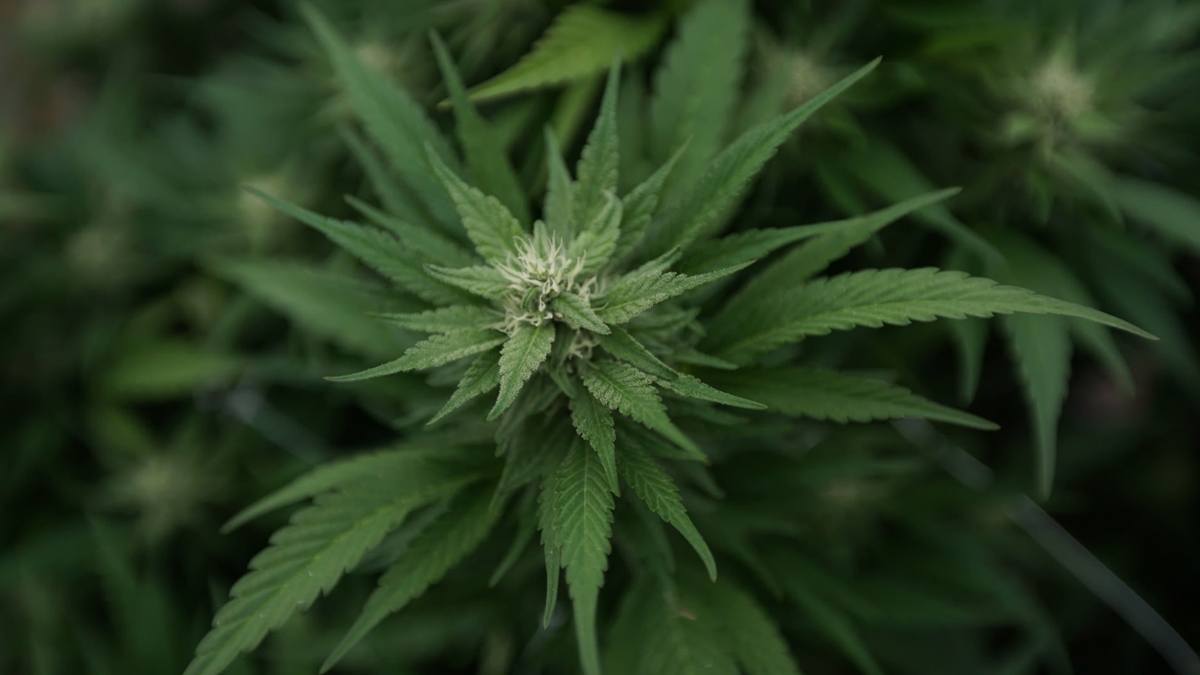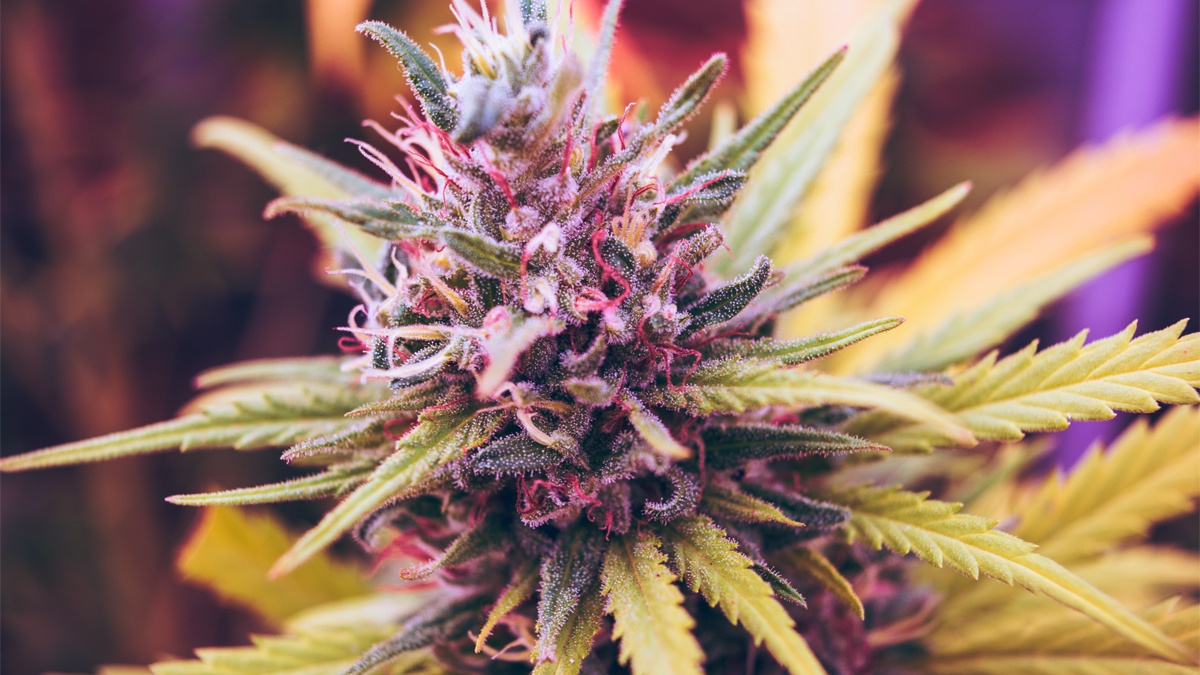
How marijuana is handled after harvest—specifically, how the plant is dried before packaging—can have a significant impact on product quality, including with respect to preserving terpenes and trichomes, according to a pair of newly published white papers.
The studies, announced this week by the cannabis technology firm Cannatrol—which produces the equipment being evaluated in the tests—concluded that when “cannabis flower is dried and cured in an environment that has stable vapor pressure, the final product retains more terpenes due to fewer ruptured trichomes,” according to a press release about the findings.
The research was conducted by the Cannabis Research Coalition, an organization that focuses on cannabis cultivation and post-harvest processing.
Terpenes, which are produced by cannabis and many other plants, are widely believed to modulate a cannabis experience and may work in tandem with cannabinoids to produce a so-called “entourage effect.” Trichomes, meanwhile, are structures on the flower that produce terpenes, cannabinoids and other chemical constituents of cannabis.
On average, the newly announced research found that flower dried and cured in Cannatrol’s machinery, called the Cool Cure, “delivered on average 16% higher terpene retention and better trichome integrity” compared to those processed in what the study calls the “traditional” method: a room with an air conditioner and a portable dehumidifier.
Essentially the takeaways seem to be that a more stable, controlled drying and curing environment better protected the integrity of both terpenes and trichomes.
“The Cool Cure caused less decarboxylation of cannabinoids and retained 16% more terpenes,” author Allison Justice, founder and CEO of the Cannabis Research Coalition, wrote in one of the new studies. “The Cool Cure was able to minimize environmental spikes and keep setpoints much tighter during the drying process. It is thought that there could be more factors supporting this significant change, such as less physical disruption on the trichome cuticle.”
The second study focused more on trichomes, especially color variation—which Justice explained is typically the result of natural aging or mechanical damage to the plant. Trichomes were less affected when processed in Cannatrol’s more stable environment compared to the more conventional setup.
“It is proposed that variable swings in temperature, humidity and vapor pressure provided by traditional drying leads to a significant difference in the color of trichomes,” concludes the second paper by Justice.
“This accelerated senescence leads to greater volatilization of terpenes, degradation of cannabinoids and a more overall brown color of the flower,” Justice wrote. “The results show that by drying with Vaportrol technology, trichome glands are preserved and do not continue to senescence which can lead to loss of quality.”
Better preservation of terpenes may help both medical marijuana patients and adult-use consumers. On the medical side, terpenes have been shown to have some beneficial health impacts on their own, and they may also interact with cannabinoids and other chemicals to enhance therapeutic effects. On the consumer side, terpenes produce much of the flavors and aromas of particular cannabis strains.
“There are plenty of legacy cultivators growing good flower, but the key is to educate the community about the true science behind the cannabis post-harvest process,” David Sandelman, CTO and co-founder of Cannatrol, said in a press release. “The science proves that maintaining vapor pressure levels keeps trichomes intact and delivers higher terpene retention with every harvest. By using these new methods in post-harvest, cultivators can consistently create more smokable cannabis that is superior in flavor, appearance and effect.”
A separate scientific review unveiled this month by researchers in Portugal found that terpenes may indeed be “influencers in the therapeutic benefits of cannabinoids,” though for now that influence “remains unproven.”
That paper nevertheless detailed preliminary findings around the therapeutic benefits of individual terpenes on a range of ailments.
“Exploratory evidence,” it notes, citing earlier studies, “suggest various therapeutic benefits of terpenes, such as myrcene for relaxing; linalool as sleep aid, exhaustion relief and mental stress; D-limonene as an analgesic; caryophyllene for cold tolerance and analgesia; valencene for cartilage protection, borneol for antinociceptive and anticonvulsant potential; and eucalyptol for muscle pain.”
The study also acknowledges, however, that while myrcene “demonstrated anti-inflammatory proprieties topically,” it appeared the terpene offered no additional anti-inflammatory effect when combined with the cannabinoid CBD.
The study doesn’t settle on the ultimate role of terpenes in the so-called entourage effect. Authors wrote that the entourage effect appears “plausible, particularly when considering minor Phyto cannabinoids, monoterpenes, sesquiterpenes, and sesquiterpenoids.”
Another study, published earlier this year in the International Journal of Molecular Sciences, said that the “complex interaction between phytocannabinoids and biological systems offers hope for novel treatment approaches,” potentially laying the groundwork for a new era of innovation in cannabis-based medicines.
“The plant Cannabis exhibits an effect called the ‘entourage effect’, in which the combined actions of terpenes and phytocannabinoids results in effects that exceed the sum of their separate contributions,” that study found. “This synergy emphasizes how important it is to consider the entire plant when utilizing cannabinoids medicinally as opposed to just concentrating on individual cannabinoids.”
A federally funded study published in May, meanwhile, found that terpenes could be “potential therapeutics for chronic neuropathic pain,” finding that an injected dose of the compounds produced a “roughly equal” reduction in pain markers when compared to a smaller dose of morphine. Terpenes also appeared to enhance the efficacy of morphine when given in combination.
Unlike with morphine, however, none of the studied terpenes produced a meaningful reward response, that research found, indicating that “terpenes could be effective analgesics with no rewarding or dysphoric side effects.”
Another study published earlier this year looked at the “collaborative interactions” between cannabinoids, terpenes, flavonoids and other molecules in the plant, concluding that a better understanding of the relationships of various chemical components “is crucial for unraveling cannabis’s complete therapeutic potential.”
Other recent research funded by the National Institute on Drug Abuse (NIDA) found that a citrusy-smelling terpene in marijuana, D-limonene, could help ease anxiety and paranoia associated with THC. Researchers similarly said the finding could help unlock the maximum therapeutic benefit of THC.
A separate study last year found that cannabis products with a more diverse array of natural cannabinoids produced stronger psychoactive experiences in adults, which also lasted longer than the high generated by pure THC.
And a 2018 study found that patients suffering from epilepsy experience better health outcomes—with fewer adverse side effects—when they use plant-based CBD extracts compared to “purified” CBD products.
Scientist last year also discovered “previously unidentified cannabis compounds” called flavorants that they believe are responsible for the unique aromas of different varieties of marijuana. Previously, many had thought terpenes alone were responsible for various smells produced by the plant.
Similar phenomena are also beginning to be recorded around psychedelic plants and fungi. In March, for example, researchers published findings showing that use of full-spectrum psychedelic mushroom extract had a more powerful effect than chemically synthesized psilocybin alone. They said the findings imply that mushrooms, like cannabis, demonstrate an entourage effect.
Ben Adlin via (https://www.marijuanamoment.net/how-marijuana-is-handled-after-harvest-matters-for-preserving-terpenes-and-trichomes-research-shows/)
Keep out of reach of children. For use only by adults 21 years of age and older.