This story was first published by Arkansas Advocate.
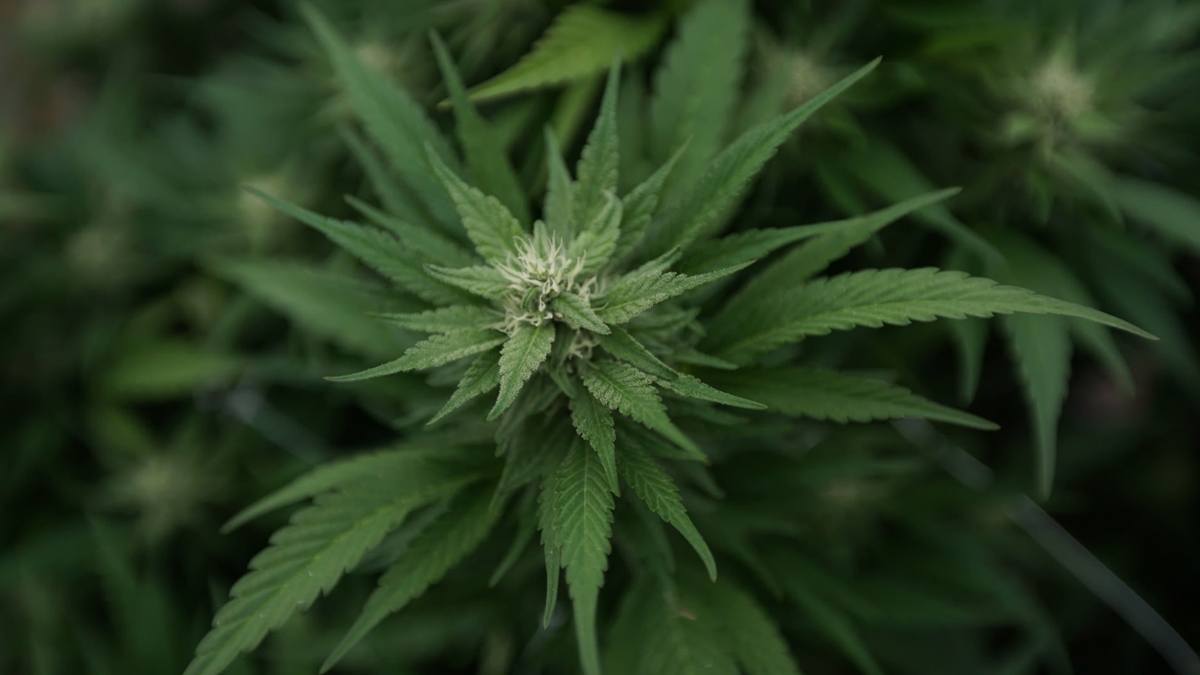
Photo courtesy of Philip Steffan.
“The fears that people expressed when this first passed in 2016 have not come to bear.”
By Mary Hennigan, Arkansas Advocate
Since the launch of medical marijuana in Arkansas in 2019, more than three dozen storefronts have opened, at least 102,000 residents have registered for patient cards and revenue has topped $1.1 billion.
The industry doesn’t appear to be slowing down anytime soon.
The latest report from the Arkansas Department of Finance and Administration showed the state’s 38 dispensaries sold nearly $45 million of products in February and March combined, bringing the year’s revenue to an updated $68 million.
Compared to the end of March 2023, this year’s sales are down by about $2 million—but more products have been sold in that time. This year’s 17,240 pounds of product trumps the 13,804 pounds sold in 2023.
“That’s a reflection of the more competitive pricing, which is great news for patients,” said Scott Hardin, spokesperson for the Department of Finance and Administration.
Medical marijuana first became available in mid-May 2019, following years of delays due to lawsuits and the Legislature in 2017 amending a voter-approved initiative from the previous year. The trajectory of the medical marijuana industry has been on a steady incline since and rather than shrink under the pressure of the COVID-19 pandemic, the industry thrived, Hardin said.
Every year since 2019 has been a record-breaking year for sales.
Arkansas has also collected more than $127 million in state tax revenue in the last handful of years, about $5 million of which was reported in February and March 2024. The money from a 4 percent privilege tax currently helps curb food insecurity by feeding students on free and reduced lunch at public schools, Hardin said.
Arkansas allows for 40 licensed dispensaries, but two of those licenses haven’t been issued due to ongoing litigation, Hardin said.
The state’s first license revocation occurred in early May when the Alcoholic Beverage Control Division announced action against Green Springs Medical Marijuana Dispensary in Hot Springs. The revocation resulted from ongoing violations, including selling expired products, according to a release from the ABC.
Dragan Vicentic, owner of Green Springs Medical Marijuana Dispensary, told the Arkansas Advocate he would appeal ABC’s decision, which will allow the business to remain operational.
Patient usage
Reality has far exceeded the expectations of how many Arkansans would hold patient cards in a mature market, Hardin said. Approximately 11,000 people held patient cards when the first cannabis products were legally sold in 2019, a number that jumped to 43,000 just one year after products reached patients’ hands. The latest card count exceeds 102,000, and there’s no indication of a letup in new applications, Hardin said.
“The pace of it has varied, but the fact that we’ve consistently increased to where we are today with more than 100,000—it’s going to be interesting to see going forward if that continues over the next couple of years,” Hardin said.
The money spent on cannabis products already this year shows promise, he said. And though not included in the latest report from DFA, sales were successful on 4/20—anecdotally referred to as the unofficial weed holiday. More than $2 million in sales were completed on April 20 alone, which nearly tripled the regular daily average of $750,000.
As of June 2023, one in three Arkansans with a patient card listed post-traumatic stress disorder as their qualifying condition, according to the most recent data from the Arkansas Department of Health. The next highest qualifying condition was intractable pain, or pain that has not responded to ordinary medications for more than six months, at nearly 30 percent. Patients can list more than one qualifying medical condition, which means some data overlaps.
Women made up 53 percent of the 92,494 patient cards reported in June 2023, and Arkansans aged 25–44 years held more cards than any other age demographic, according to the health department. White people overwhelmingly reported more cards than other races, at nearly 84 percent.
‘The world of weed’
Arkansas’ cannabis industry came with a learning curve.
Bill Paschall, president of the Arkansas Cannabis Industry Association, had no previous background in medical marijuana but now offers daily assistance on policy issues and regulations.
Over the last five years, Paschall has crossed paths with the many different people in the industry—from growers, retailers, bankers, security guards and more. He sometimes spends days talking with legislators to “keep them up to speed with what’s going on in the world of weed.”
Paschall said he’s also heard from several Arkansans about the health benefits of the products. People say they’re getting more sleep, experiencing less anxiety and have transitioned off of opioids, Paschall said.
“The fears that people expressed when this first passed in 2016 have not come to bear,” he said. “We’ve not seen social upheaval or spikes in kids with drug issues due to medical marijuana… The industry is well regulated in Arkansas, and because it’s well regulated the folks who buy medical marijuana can have confidence in what they’re buying.”
David Berman started in a similar position to Paschall, in that he also had limited experience with the medical marijuana business. It was, however, his dream job.
Now the manager of Natural Relief Dispensary in Sherwood, Berman oversees a staff of 32 employees, 25 of whom meet with patients directly to find the most beneficial product available.
Berman’s everyday duties as manager vary: Sometimes he’s filling the store’s menu with products from the state’s eight cultivators, other days he’s manning the register and talking with patients. Working in an evolving industry has been a “learn-on-the-fly” experience, but it’s everything he’s hoped for, he said.
The Sherwood dispensary was the second top-performing shop in the state in February and March combined, selling 1,067 pounds of product, according to DFA. Most of that product, Berman said, is raw cannabis flower.
“Most of our patients are just used to that consumption method,” he said. “But as our market matures, we’re educating them on the other consumption methods like edibles, vape cartridges and concentrates.”
Smokeless products are all the rage for Shake Extractions, a women-led processor based in Johnson. Owners Julie Brents, Brittany Phillips and Tig Davoulas have built a brand specifically tailored to people who want to microdose their products and avoid smoking.
In their lab, the women mix cannabinoids with organic oils to make products related to dietary supplements, beauty and sexual health. The products are crafted with women of all ages at the top of mind.
“We’re in this kind of miscellaneous bucket where we don’t fall into any of the main, popular cannabis products that are out there,” Davoulas said. “Our products are in a category that we are trying to grow ourselves.”
Davoulas said Shake Extractions is working ahead of where the Arkansas market currently stands with its smokeless products. In return, Phillips said the team is still learning the dispensaries as its buyers.
“Honing in on those products that people want and care about and finding the right niche has been a huge challenge,” Phillips said. “It’s been layered.”
Vying for change
Arkansans are aiming to improve access to medical marijuana in the state through a ballot measure aptly titled The Arkansas Medical Marijuana Expansion Initiative. Volunteers are currently collecting 90,704 signatures to meet a July deadline. Organizers were unable to estimate how many signatures had been collected at the time of publication.
The ballot initiative introduces some major changes, including allowing patients and designated caregivers older than 21 to grow a maximum of seven mature and seven younger marijuana plants. It would also expand who can certify patients for medical marijuana cards from doctors to physician assistants, nurse practitioners and pharmacists.
Other proposed changes would allow providers to qualify patients based on medical need, conduct patient assessments online and put an end to card application fees. Cards would also last three years, instead of the current one year before expiration.
“Most people I know,” Berman said, “they’re not getting their card for just one year. They really need it for life.”
If the initiative makes the November 2024 ballot and is approved, Paschall said he expects the cannabis industry to grow at a rapid rate. It would have a spanning impact among people with low incomes, and people who live in rural settings, he said.
“The breakdown now is still overwhelmingly caucasian in terms of who has cards,” Paschall said. “What we’re trying to do with this amendment is expand access, and I think we’ll see those numbers climb among minority populations if this passes.”
Even if the measure doesn’t make the ballot, Paschall said he still expects the industry to continue to grow, just “much more slowly.”
Marijuana Moment via (https://www.marijuanamoment.net/arkansas-has-far-more-medical-marijuana-patients-than-expected-when-legalization-passed-official-says/)
Keep out of reach of children. For use only by adults 21 years of age and older.